
01
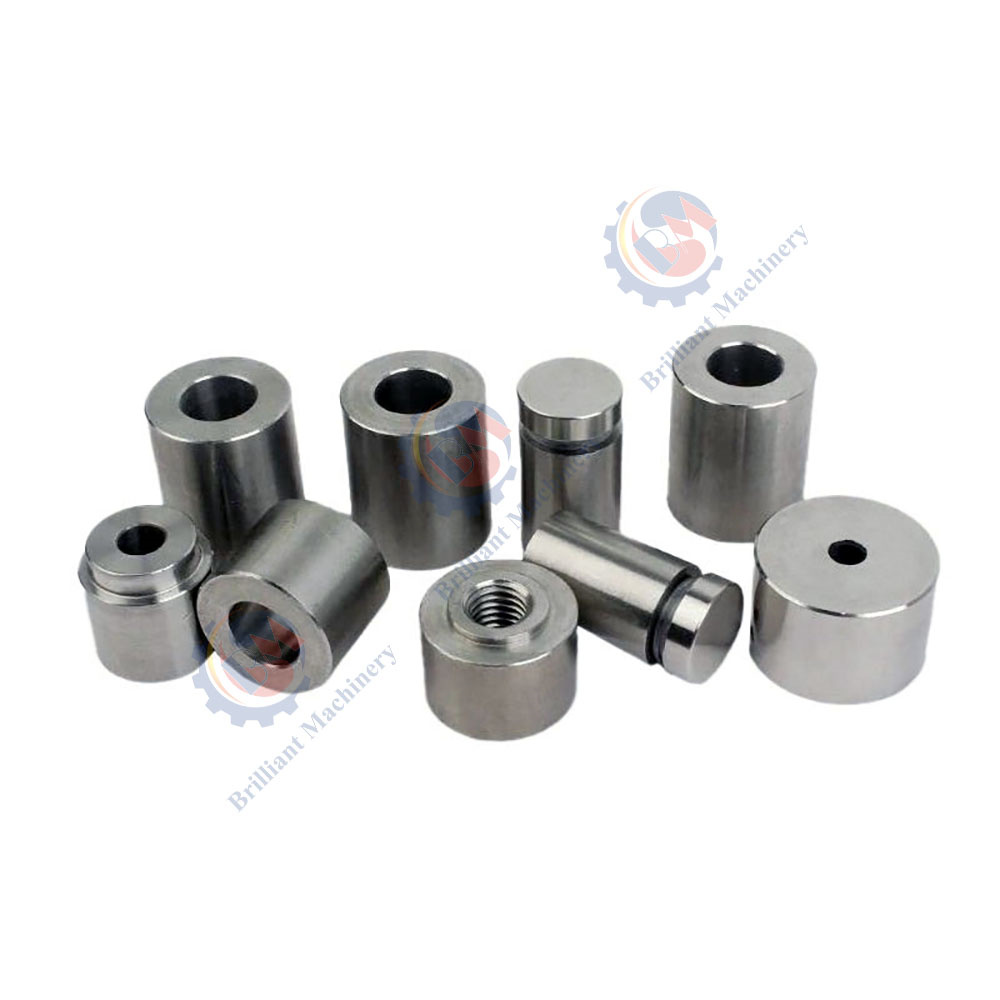
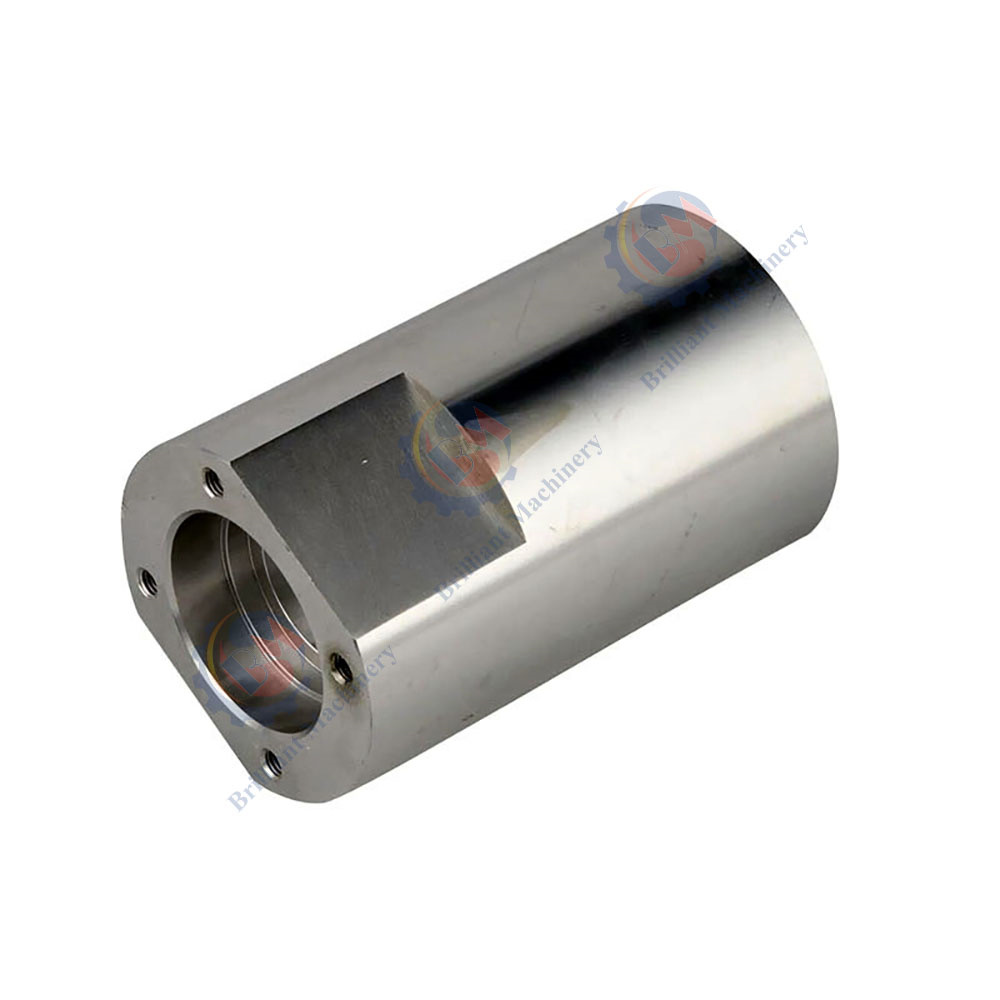
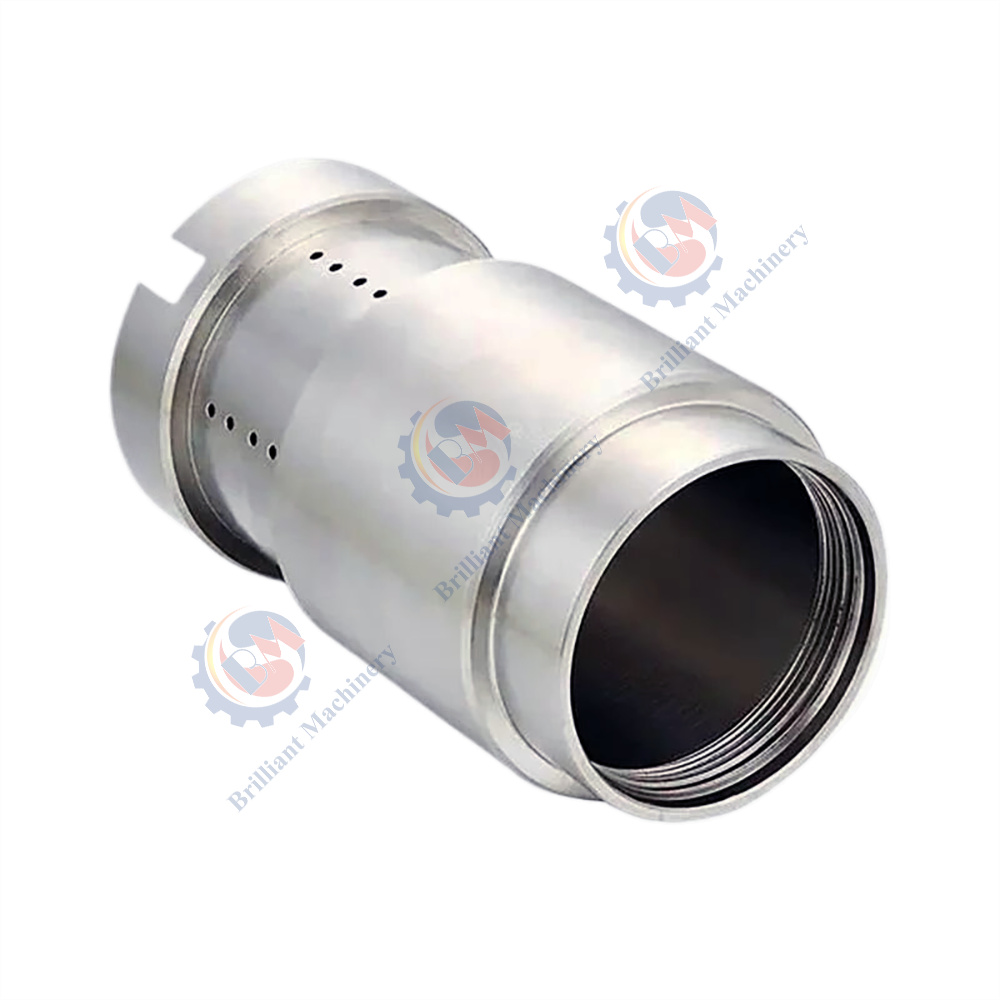
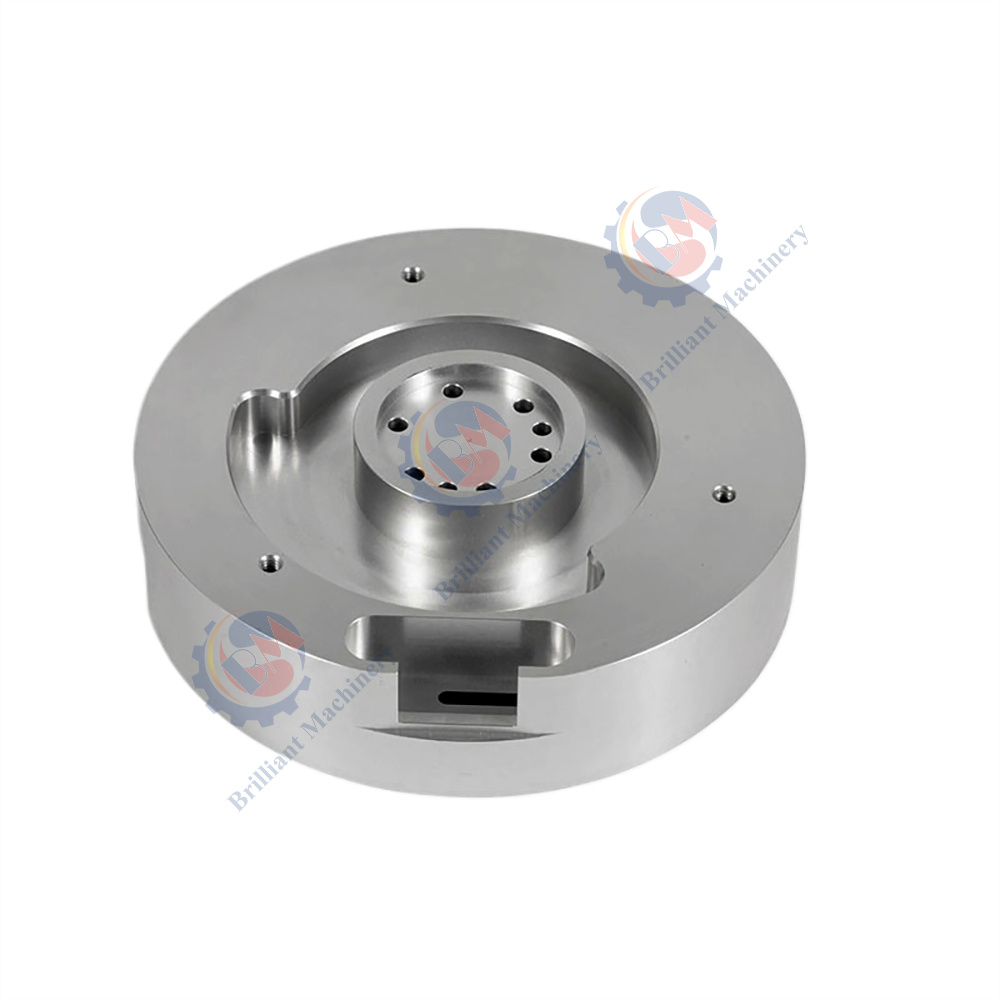
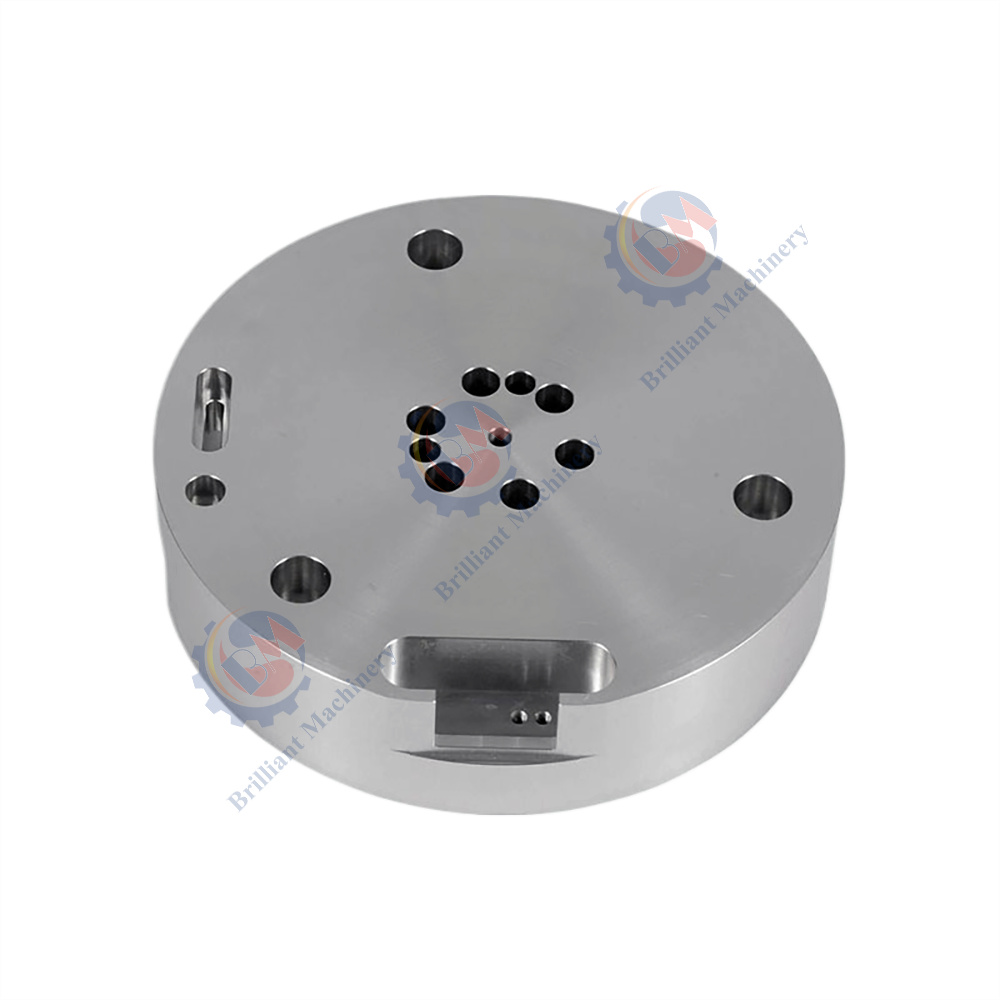
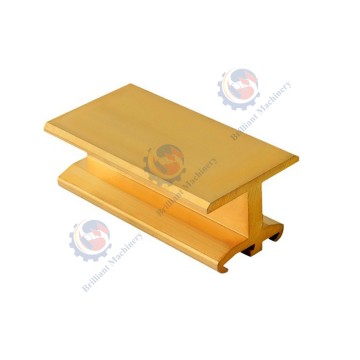
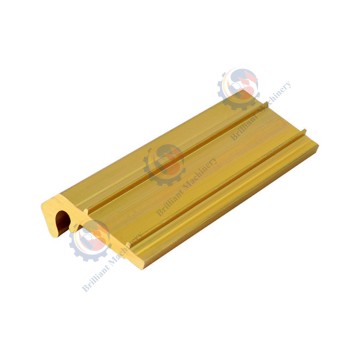
CNC Milling Parts for Medical Devices
Material
• Stainless Steel (316L, 304): Stainless steel is also a common material in medical device production because it is both corrosion-resistant and biocompatible with a high resistance to sterilisation methods. Stainless steel is frequently utilized in surgical instruments, implants, as well as in diagnostic devices.
• Titanium Alloys (Ti-6Al-4V): The lightness and high strength of titanium render it suitable for prosthetics, orthopedic devices, and implants. The biocompatibility also means that its usage in the body poses minimal risk of a reaction.
• Aluminum Alloys: Having high strength with a light weight, aluminum alloys are often seen in medical device components that are surgical devices as well as diagnostics instruments wherein durability is critical with no excess in weight.
• PEEK (Polyetheretherketone): A high-performance plastic that is also used in non-metallic medical devices. The high resistance towards chemicals as well as heat makes it suitable for devices as well as sterilizable implants.
Specifications
• Precision Tolerances: The precision tolerances as high as ±0.005 mm are attainable with CNC machining that allows each component as specified in highly advanced medical assemblies.
• Surface Finish: Surfaces of medical device components are generally treated with a surface coating treatments, i.e. passivation, which are resistant in order to keep infections at a minimal level in case of implants.
• Complex Geometries: The CNC machining is also utilized in manufacturing complex geometries that are critical in production of devices that are orthopedic, surgical instruments, as well as medical diagnostics.
Production Processes
1. Design and Prototype: The component is designed with the assistance of CAD (Computer-Assisted Design) software in a manner that ensures functional requirements are satisfied. The design is pretested on fit, functionality, as well as usability before mass production.
2. CNC Milling: The design is placed in a CNC milling machine once it is complete. The cutting tools that spin in the device take away material from a lump of plastic or metal in a very precise way in order to produce the component.
3. Secondary Operations: Drilling, tapping, or surface finishes can be obtained as a design matter as well as application of component.
4. Finishing and Coating: The parts are treated with a variety of finishes, i.e., coating or anodizing, in order to add durability as well as be biocompatible, particularly in case of implants or parts in contact with body fluid.
Quality Test and Inspection
• Dimensional Inspection: The dimensions are taken in relation to true dimensions with micrometers as also a CMM (Coordinate Measuring Machine) in a bid to attain tolerances.
• Material Testing: The material quality is evaluated with hardness testing, tensile testing, and corrosion resistance tests in order to determine its acceptability in medical use.
• Sterilization Testing: Some parts are validation tested as a means of determining whether they are compatible with autoclaving or a means of sterilization.
• Visual Inspection: The component is thoroughly inspected on the surface level for flaws, burrs, or defects that can affect either functionality or safety.
Key Features
• High Precision: CNC milling ensures high precision, which is important in medical parts that have to have perfect measures in order to work correctly.
• Customizability: The geometric complexity, as well as design complexity, allow specialized requirements in medical devices to be satisfied in manufacturing parts.
• Durability: Materials that are durable as well as resistance in nature are in the form of stainless steel, titanium, as well as PEEK.
• Biocompatibility: The material that is utilized in medical CNC machined parts is very compatible with human body tissues with minimal risk of reaction.
Industry Applications
• Surgical Instruments: Scalpel handles, bone saws, as well as forceps made from CNC milling are high-performance instruments with high reliability in surgery.
• Implants and Prosthetics: The dental prosthetics, joint prosthetics, as well as orthopedic parts are machined with high precision as per requirements from clients.
• Diagnostic Equipment: The CNC milling is also engaged in making complicated parts in medical diagnostics machines, i.e., imaging machines, sensors, as well as testers.
• Medical Robots: Robotic surgery devices and rehabilitation robots are made with CNC milling in order to achieve high precision and a seamless operation.
Packaging and Storage
Finished CNC-milled parts for medical devices are carefully packaged to prevent contamination and damage. Parts are typically placed in sterile, airtight packaging for components intended for direct implantation or contact with patients. Non-sterile components are stored in clean environments to maintain material integrity and avoid contamination.
Shipment
CNC-milled medical components are shipped in traceable, secure means in order to meet timelines. Anti-static material inserts or foam inserts are a common addition in order not to damage. Fast delivery is available on critical components with a critical production timeline in medical devices.