
0102
Shortage of Skilled Forging Labor Pushes Automation Forward
2025-04-28
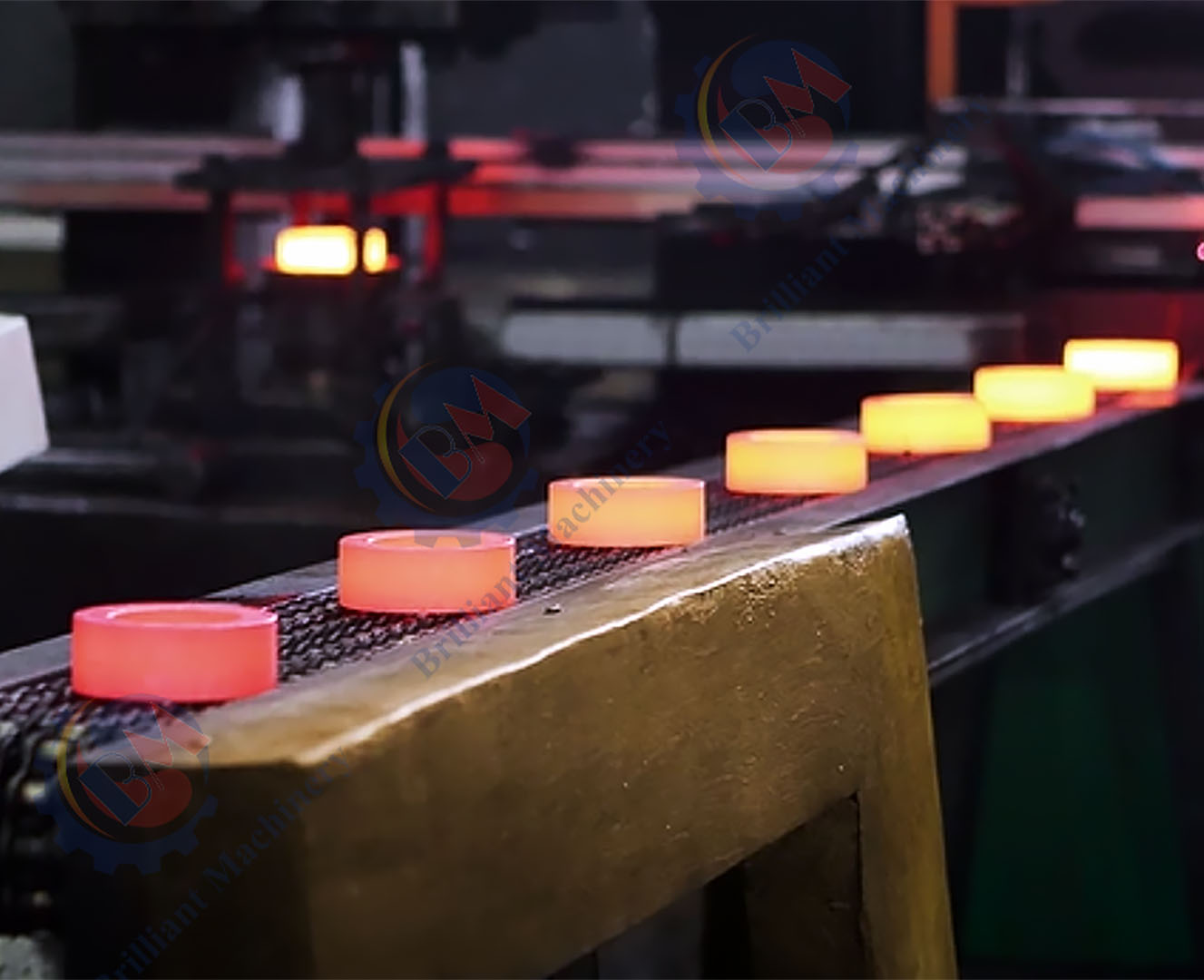
The Forging industry, traditionally reliant on highly skilled manual workers, is undergoing a transformative shift toward automation as the global labor shortage deepens. Research indicates that over 30% of forging professionals in North America and Europe are nearing retirement age, while younger generations are less likely to pursue careers in heavy manufacturing.
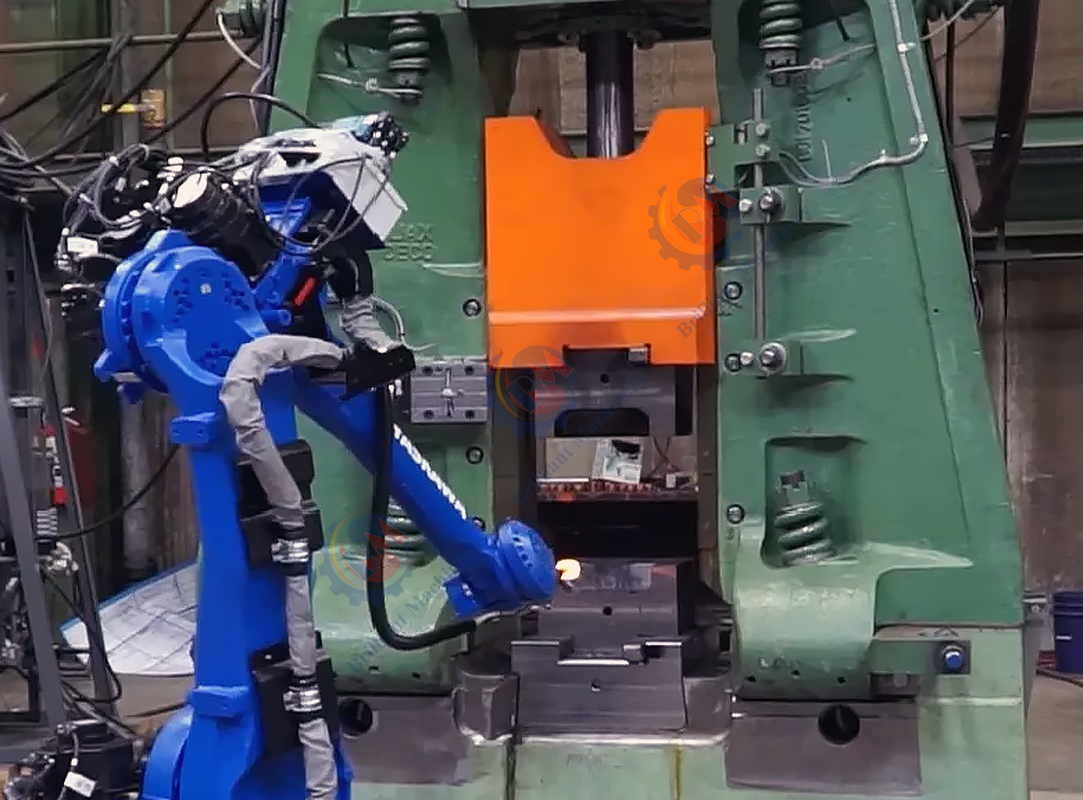
To maintain production efficiency and quality, forging companies are investing heavily in automation technologies, including:
• Robotic arms for die handling and billet positioning.
• Automated forging presses that adjust stroke, force, and temperature in real time.
• AI-driven predictive maintenance systems to reduce downtime.
• Vision inspection systems for real-time quality assurance.
According to an industry survey, automation investments in forging have increased by 15% year-over-year since 2020, and this growth is expected to accelerate through 2027. Automation is no longer seen simply as a cost-saving strategy — it is now a necessity for companies seeking to maintain quality, consistency, and safety in an environment of skilled labor scarcity.
Early adopters of forging automation are seeing:
• 25% reductions in cycle times.
• 20% improvements in first-pass yield rates.
• 15% lower production costs overall.
Companies that fail to embrace automation risk falling behind their competitors, especially in high-demand markets like Automotive, aerospace, and oil & gas.

Keywords:
Forging automation solutions, robotic forging technology, automated forging systems, smart manufacturing solutions, AI in metal forging, labor shortage in manufacturing solutions